We are Dialy-Help
We are building the between-visit risk infrastructure for chronic disease management — starting with CKD and dialysis, because we have the data, the clinical access, and the lived experience to do it right.
To give every dialysis centre a structured clinical protocol for what happens between sessions — and to prove that earlier intervention reduces harm, cost, and crisis for patients and health systems alike.
We start where the gap is clearest. We scale where the model fits.
Dialy-Help begins with hemodialysis — a high-risk, data-rich, underserved window. The platform scales to chronic disease management across MENA and emerging markets.
Born from lived experience.
Ahmed Dridi spent three years as a dialysis patient. Three sessions a week — monitored, cared for. Then he went home. For 48 hours, he was invisible to the medical team.
That gap — the 48 to 72 hours between sessions where fluid overload builds, cardiac stress grows, and infection starts — is where complications develop. And it is where no structured protocol exists.
Dialy-Help was built to close that gap. Not as a concept. As a working system.
Our values
Clinical first
Every feature exists because a nephrologist or nurse needs it. We build for the bedside, not the boardroom.
No added burden
Dialysis teams are already stretched. Dialy-Help reduces clinical workload — it never adds to it.
Built with clinicians
Designed in collaboration with nephrologists and cardiologists from day one — not as an afterthought.
Evidence over claims
We measure what matters: avoidable admissions, nurse time saved, patient outcomes. We share the data.
Lived experience
Our founder spent three years as a dialysis patient. That perspective informs every product decision.
Built for MENA
We design for emerging markets where reactive care is the default and proactive infrastructure doesn't yet exist.
The team
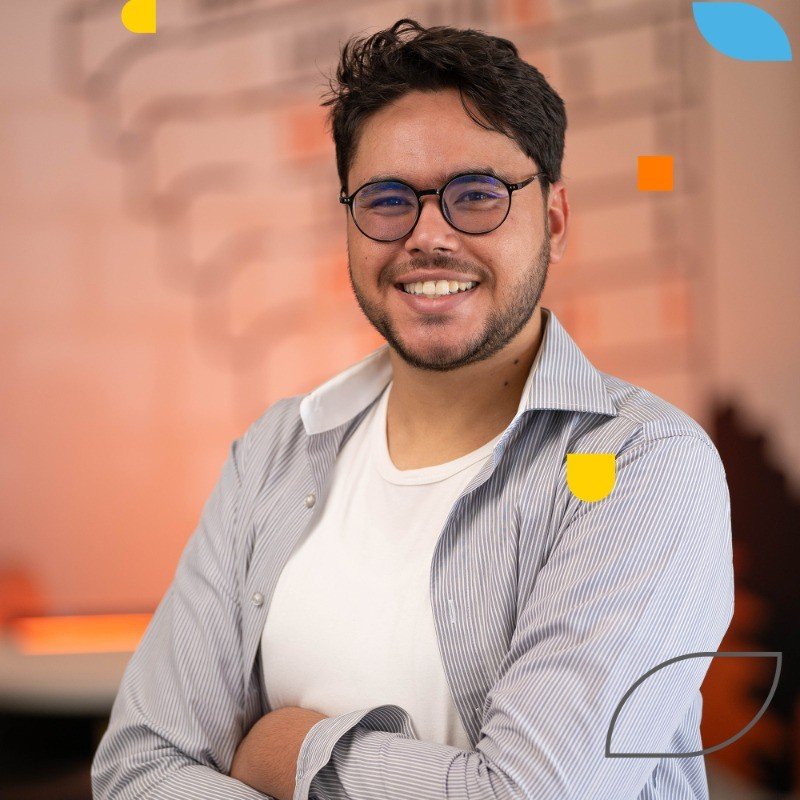
Ahmed Dridi
Former dialysis patient. AI Engineering degree (2027). Built Dialy-Help from the clinical gap he lived through firsthand — three years, three sessions a week.
Dr. Natalie Raphil
PhD in Artificial Intelligence. Forbes Africa Top 100. Leads model development, clinical validation, and AI architecture for the risk engine.
Abderahmen Jouini
Software architecture and AI systems. Leads platform development and technical integration.
Thara
Biomedical engineer specialising in AI and signal processing. Applies clinical data science to the risk engine and patient monitoring models.
Dr. Dhaker Lahdhieb
Cardiologist. Expertise in cardiovascular complications in dialysis patients.
We start where the gap is clearest.
We scale where the model fits.